
Monday, May 11, 2009
Wednesday, May 6, 2009
Unit Summary: EXPLORATIONS[my design autobiography]

Wassily: sleek modern look

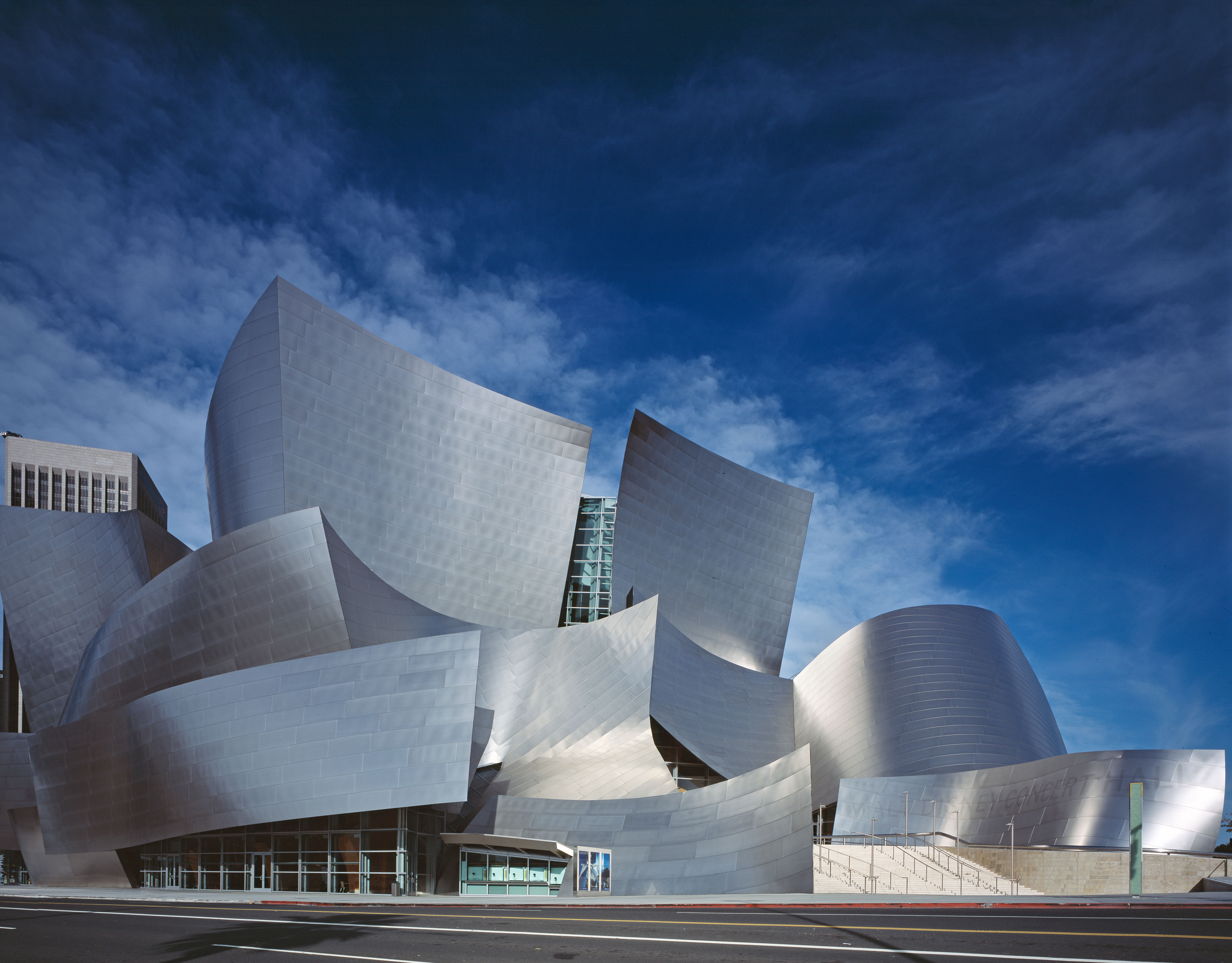
Walt Disney Concert Hall: original design

Mercedes McLaren Roadster:

Neuschwanstein Castle Germany: Childhood interest= castles

Oasis Of The Seas[Royal Carribean]: new origional idea

Atlantis: favorite/most well designed vacation spot

Greece:

Venice: defys nature

Biltmore House:
Coming Full Circle[final opus]
Coming full circle:
Community: In relation to community in design and in my experience over the past semester in learning about design I have found that community is a very important aspect in design. We have learned about community in my studio class when we were working on group assignments such as our pathways, edges, and boundaries, assignment. Also community has played a huge role just in the studio as a whole. When working in a studio type of classroom and workspace you have to have community you have to be respectful of others and their property the advantage of this is that there are people to help you that you can bounce ideas off of and that you can get to help you. In my drawing and studio class I have found the same thing to be true especially with the group project in my art class. The idea of community has taken a huge role in my learning this past semester and I would not have been as successful had it not been for the help of others by learning different techniques and ideas and so forth. Community in relation to my history and theory of design class can be talked about more in the sense of the community of architects and how architects build off of each other to move away from the past but also in design the idea of communities have in their own specific style. Roth talked about the architectural community here “Architecture, in contrast to all the other durable arts, requires the services and contributions of many hundreds of participants in large buildings.” (Roth 12) The photograph below is of our community of first year interior architecture students.

Stewardship: Stewardship is a good word in relation to this past semester. The word stewardship means how you handle what you have been given. When we are given an assignment in the design world we have to treat it like we are designing for ourselves you can’t approach design with the idea of oh I’m just going to throw something together and be done with it you have to get into your clients shoes and design from their perspective. “Certain blind termites build soaring arches of mud, starting at two distinct springing points, pushing their sections upward until they meet the air. (Roth 3) this quote speaks to innovation to me because if blind termites can find way to build a working living environment then we can to.
Innovation: The term innovation is something that relates to design when well. Being innovative is what design is all about. Design is about finding new ways to make something. An example of this would be in my studio class this last project that we did was to make a graduate lounge by only using built in furniture. We had to find innovative ways to make this lounge by designing all of it out of our own custom built ins. Roth defines architecture very simply and innovation is architecture “Architecture is the science and art of building.” (Roth 7)
Authenticity: Authenticity is a word that in a way goes back to the idea of community. When working in a group or in a studio as is the case for us, it is important for people to be authentic. When designing you can’t steal designs from other people you have to come up with your own design and your own ideas. Over this semester we have talked about authenticity especially about citing our sources. Roth gave us a good idea of what architecture is and as long as we stick to that Idea we should remain authentic “Architecture is understood to be the whole of the human built environment, including buildings, urban spaces, and landscapes.” (Roth 5)
Here are some pictures from the end of the semester projects.
Monday, May 4, 2009
Unit Summary: EXPLORATIONS
Wednesday, April 29, 2009
[Paring] down
Meditation/Celebration- Meditation and celebration are terms that we talk about a lot in interior architecture. Recently in my environmental design class we are designing a public/private area for the graduate students. It has been a challenge to distinguish between the two spaces and to make them seem like two separate spaces but still be unified into one space. This space that we are designing is all about meditation and celebration. The private part is focused on meditation and the public part is focused on celebration.
Light/Shadow- Light and shadow is something that is very important to design you always have to consider the way the light is going to be playing with your design and the way that shadows are going to be cast throughout the space that you are designing. The graduate lounge that we are currently designing is focused on light and shadow it is we are taking inspiration from our previous light habitat projects that we did. My design was 3-D triangles with cutouts this directs light and causes shadows in my graduate space I try to include more light in the public space and more shadow in the private.
Literal/Abstract- In my opinion all design has some form of literal and abstract parts to it. In a design you usually have an idea behind it or a story and then you abstract it into an idea for a design. In history and theory of design we talk about how modern design is often times abstract and clean lines. In designing my graduate lounge I have had to take and abstract my light habitat project and turn it into a design idea for my space.
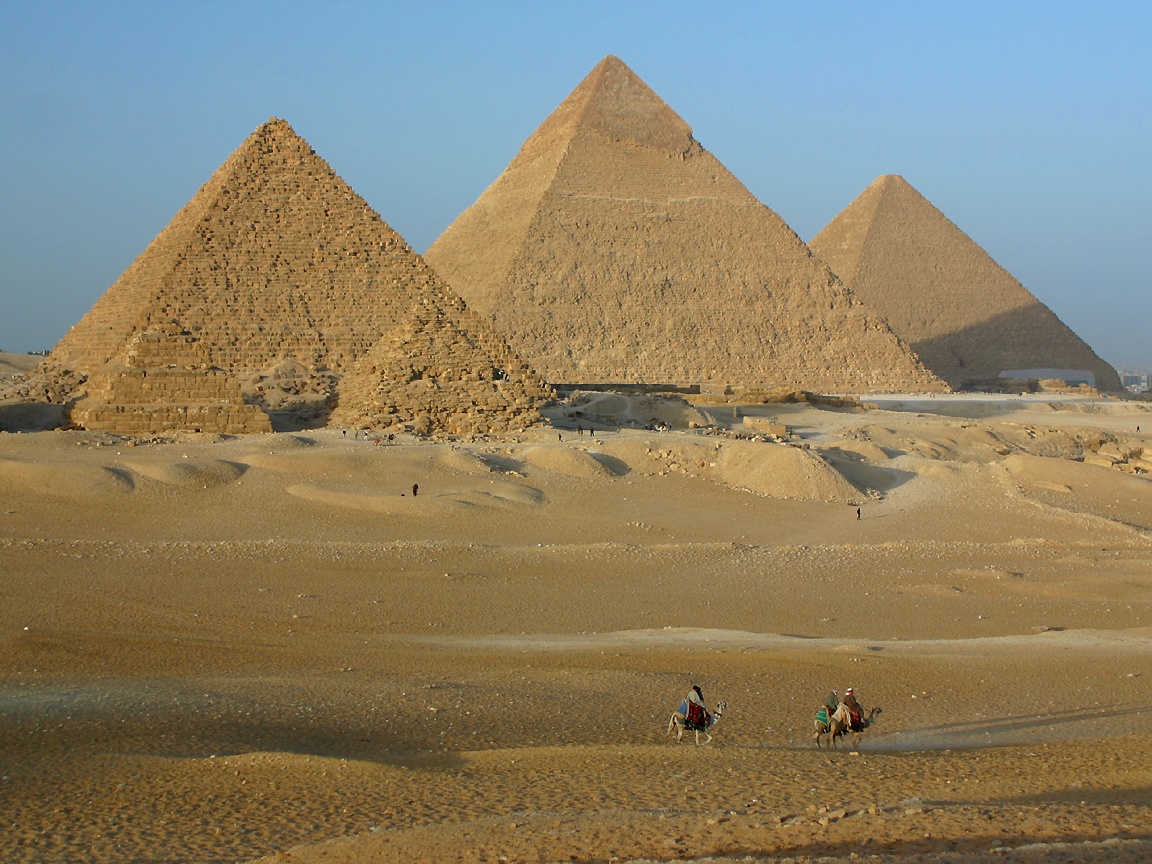
Monologue/Dialogue – Monologue and dialogue is something that is really important in design it is about how the different aspects speak to each other and how you communicate with the design. In history and theory of design we talk about how buildings speak to you about how the idea and shapes relate to the past for example we talked about how the insurance company goes back to the pyramids. When communicating with a client you have to have good monologue/dialogue the monologue is your description of your ideas and the dialogue is the speaking back and forth.
Transpose/Juxtapose- Juxtapose is when something is put side by side for comparison transpose means to rearrange something or to change it around. In my history and theory of design class we have been talking a lot about modern buildings. In doing this we talk about transpose and juxtapose in the since that we compare a lot of different buildings and designers to each other. We have been comparing a lot of Frank Lloyd Wright’s designs from his bungalow inspired designs to his later designs such as falling water.
Synopsis-This week’s opus focuses on the ides of words the complement each other and words that oppose each other. Often times in the design world you have to think about certain pieces and how they relate or how they dint relate. For example you have to make sure that light and shadow complement each other you cannot look at shadow without looking at light.
Wednesday, April 22, 2009
Action Verbs

Compose- To compose something is to create or to come up with an idea. Composition is something that is extremely important to design. When you are designing a room or a product you have to be careful about your overall composition you cannot just put pieces together you have to make sure that they relate well together and that the end result will be a pleasing cohesive design. The following image is a design composition of Fallingwater by Frank Lloyd Wright. In this image it was really important for me to focus on the composition because the board needed to read as one overall piece not a board with many different images. Massey talks about how a composition in the Modern Movement was different than that in the past it was simple. “Inspired by a new machine aesthetic, Modern Movement stripped away unnecessary ornament from the interior.” (Massey 63) I do not currently have the image for this word my teachers still ahve it but I will add it as soon as I get it.
Energize- Energizing something means to bring back to life or to give it that pop of color or a grabbing feature. In my history and theory of design class we talked about the question what is modern. We discussed the idea that there are two different types of modern. The first type of modern is modern in the since of industry or new inventions. The second type of modern is modern design. The modern design movement gave new energy to design because it was something new it was something that people were not used to seeing. The following drawing is of the energizer bunny. I think that this bunny represent modern in the sense of industry and inventions. Massey talks about the Modern Movement and about how it energized or brought on new political thinking “As the Modern Movement became accepted by the international avant-garde it acquired new political connotations.” (Massey 87)

Shape- To shape something means to create or to form an idea. In my history and theory of design class we have been talking about Art Nouveau and how it shaped design for France, Italy, Germany, and Australia. All of these design styles have shaped the way that we look at design today and the ideas behind the modern day design movements. In my studio art and drafting classes we have been working to shape our brains to think in a different manner so that we can learn to design in a different light than what we have been used to. The following image from my precedent analysis is of the Walt Disney Concert Hall. I am using this drawing as a basis to shape the rest of my precedent analysis. Roth talks about shaping design “Turning away from symbolic allusions and national building traditions, the purely pragmatic and utilitarian approach to design was to let functional requirements and structural solutions determine the results.” (Roth 521)

Stretch- When talking about the word stretch in relation to my history and theory of design class we have been talking about our precedent analysis and how we need to stretch our brains to a new level and to look at our buildings in a different manner we need to make sure that we are being more analytical. The image here is of a detail drawing from my precedent analysis. Roth talks about stretching our ideas about design “There were, however, other architects in the 1910s and 1920s who believed, conversely, that architecture is much more than a utilitarian appliance-that it can and should be primarily a vehicle for evoking emotional, even mystical states of experience achievable in no other way.” (Roth 535)

Summary- In review of all of these words it is important to remember the actions. All of these words are about moving forward to new design and to new ideas in thinking. These words are words to think about when designing you need to ask if the design can be built upon or improved for the future.
Friday, April 17, 2009
Reflections
The reflections unit has been a huge turn in the type of architecture that we have talked about. In this unit we moved from past architecture types to buildings that are more commonly seen today such as skyscrapers. We started out the reflections unit in a country that we had not talked about until this point and this country is the United States of America. We started talking about how architecture in America was a lot like in England however the materials used in America was more often likely to be wood because it was readily available and fairly easy to use. We also talked about the design of buildings in Washington DC and the fact that a lot of the buildings took inspiration from Grecian and Roman design. The biggest invention as far as materials go during the industrial revolution is iron and glass. When talking about iron and glass we talked especially about the Crystal Palace in London which was built for the World’s Fair. This building was extremely impressive because of its massive size and the innovations of large spaces without structural supports such as columns, iron, and glass enabled this to happen. Also in this unit we talked about how because of money and materials were more abundant people began to build and design rooms for a specific reason and with specific design ideas. An example of this that we learned about was the peacock room. Moving on from this point in time we began to talk about form vs. reform in which people were debating whether or not it was better for things such as furniture and a variety of other things to be built by machine or by hand at the time it seemed to a lot of people that machines were a bad thing because it took away jobs and things built by machines were a lower quality than those things built by hand. A large topic of discussion this unit was Chicago: the second city. When talking about Chicago we really began to talk about the beginnings of skyscrapers. The original skyscrapers were not very large just a few stories but they eventually grew up to being hundreds of stories high. We talked about design of skyscrapers and how they are divided into three sections the entrance level or bottom of the building the middle of the building and the top of the building oftentimes the bottom and the top of the buildings would be the most designed parts of the buildings. Overall the reflections unit was a good unit I personally really enjoyed it because the material covered is closer to our time period and therefore seems to be more applicable to my life and my design. The picture below that I chose to use that well represents this unit is the crystal palace. The reason that I believe this building represents this time period is because of its materials which lead to the ability to build things such as skyscrapers and so forth.